Case study 01
Kangaroo Lounge Ecosystem: reimagining neonatal care.
Designing a scalable, human-centred service ecosystem that transformed Kangaroo Mother Care delivery across one of India's largest public health systems.
- Role
- Design Research Lead · Service Innovation · UX Specialist
- Timeline
- 2018 - 2020
- Location
- Uttar Pradesh, India
- Partners
- Community Empowerment Lab · National Health Mission UP · Government of India · World Health Organization · Bill & Melinda Gates Foundation
At a glance
Challenge
Move Kangaroo Mother Care from a low-adoption clinical intervention to an integrated, end-to-end service embedded in routine maternal and newborn care across Uttar Pradesh. Design a scalable model that could move Kangaroo Mother Care (KMC) from a low-adoption clinical intervention to an integrated, end-to-end service embedded within routine maternal and newborn care across the state of Uttar Pradesh in India.
Approach
Human-Centred Design, ethnographic research, co-design, behaviour change, implementation science and interaction design - redesigning the clinical environment, provider workflows, educational resources and digital tools together.
Outcome
Co-designed an integrated Kangaroo Care ecosystem that informed the scale-up of 170+ KMC Lounges across 75 districts, supporting one of the world's largest implementations of Kangaroo Mother Care.
Context
Every year, thousands of babies die from causes we already know how to prevent.
Uttar Pradesh has one of the highest neonatal mortality burdens globally.
For premature and low birth weight babies (<2 kg), Kangaroo Mother Care (i.e., continuous skin-to-skin contact combined with exclusive breastfeeding) is one of the most effective and affordable interventions available.
Yet despite decades of evidence that KMC can reduce mortality by around 40%, global adoption remains below 1%, largely because health systems are not designed to support it in practice.
The challenge wasn't proving that Kangaroo Care worked. It was redesigning an entire healthcare system so that it could actually happen.
Problem definition
Reframing the question.
Rather than asking
Why aren't mothers doing KMC?
We reframed the challenge
How might we make Kangaroo Mother Care the easiest, safest and most desirable mechanism to care for every newborn in UP?
What was broken?
01
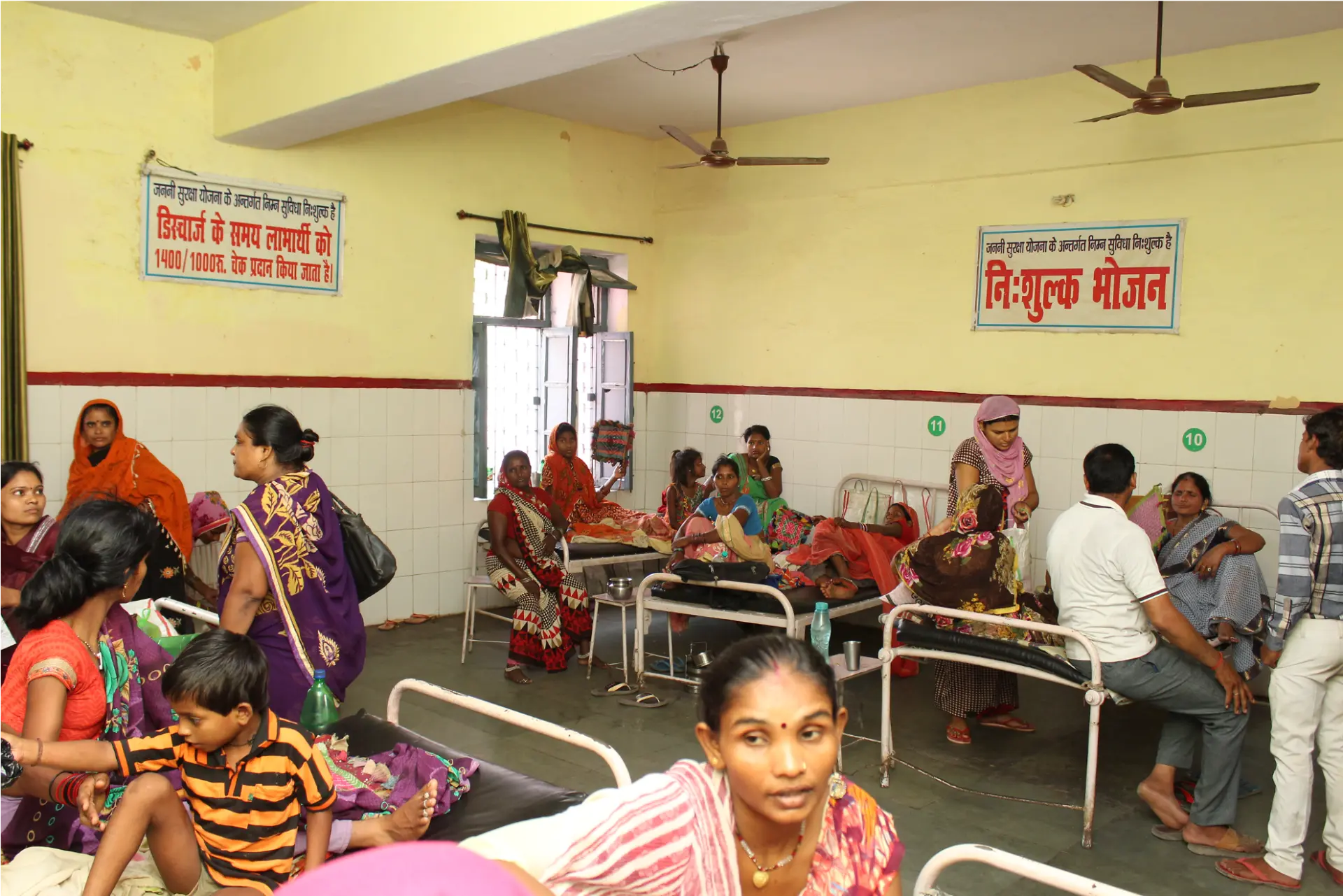
Care environments are designed for treatment, not bonding.
Postnatal wards are overcrowded, lack privacy and comfort, and are not conducive to prolonged skin-to-skin care. Many families leave hospital within hours of birth, long before KMC could be established.
02
Clinical workflows rely on fragmented paper systems.
Nurses juggle multiple registers, inconsistent protocols and manual calculations, increasing documentation burden while limiting visibility into patient progress and quality of care.
03
KMC is perceived as an isolated clinical task.
Providers often associate quality newborn care with incubators and specialised equipment rather than mother-baby interaction. Families receive inconsistent communication and understand KMC as merely 'skin-to-skin contact'.
04
Care stops at discharge.
Once families return home, there is limited follow-up, fragmented communication between facilities and community health workers, and little support for sustaining KMC practices.
Research
Understanding the system.
Healthcare services rarely fail because of a single interaction. They fail because the system surrounding those interactions doesn't support people to do the right thing.
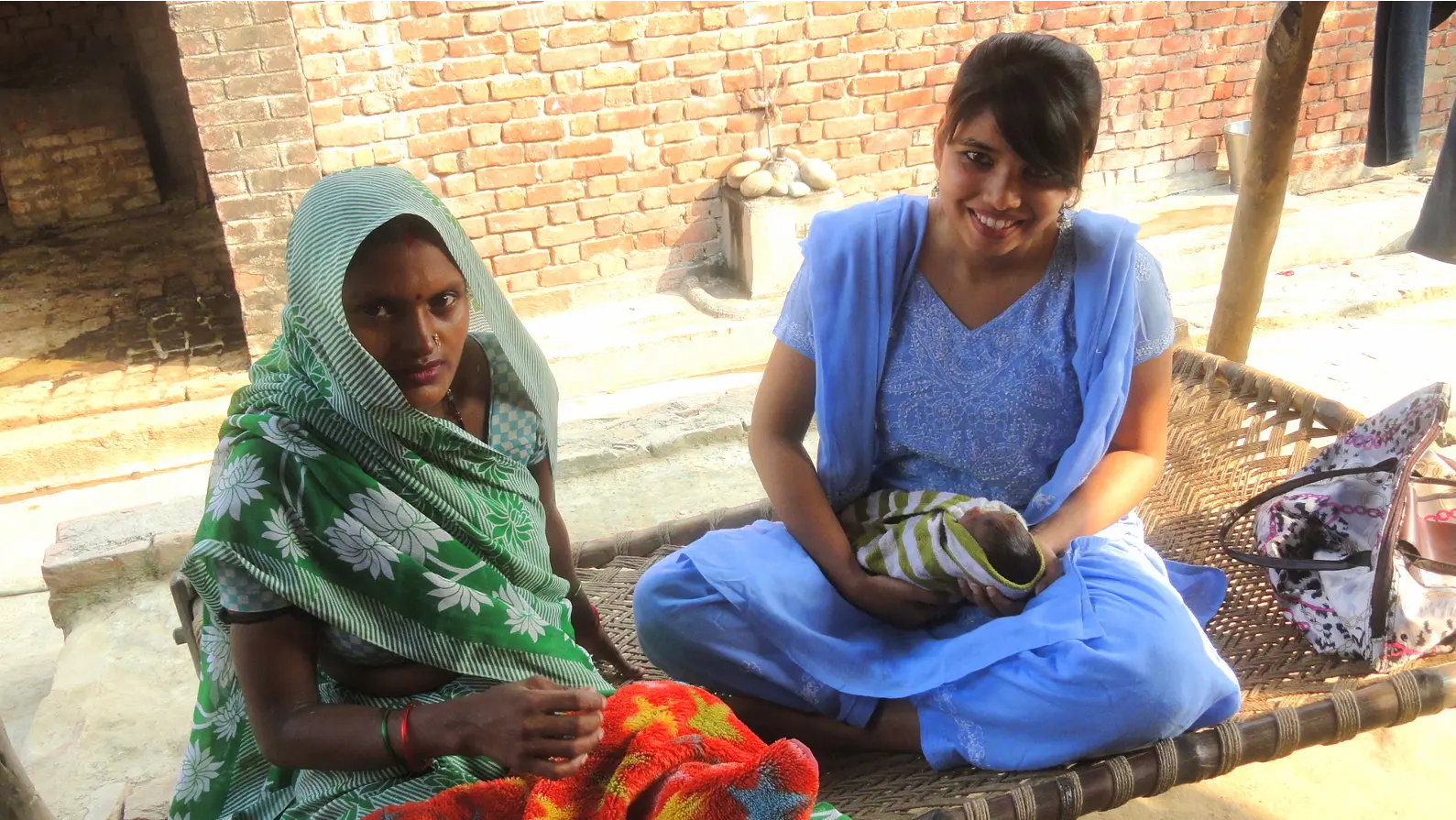
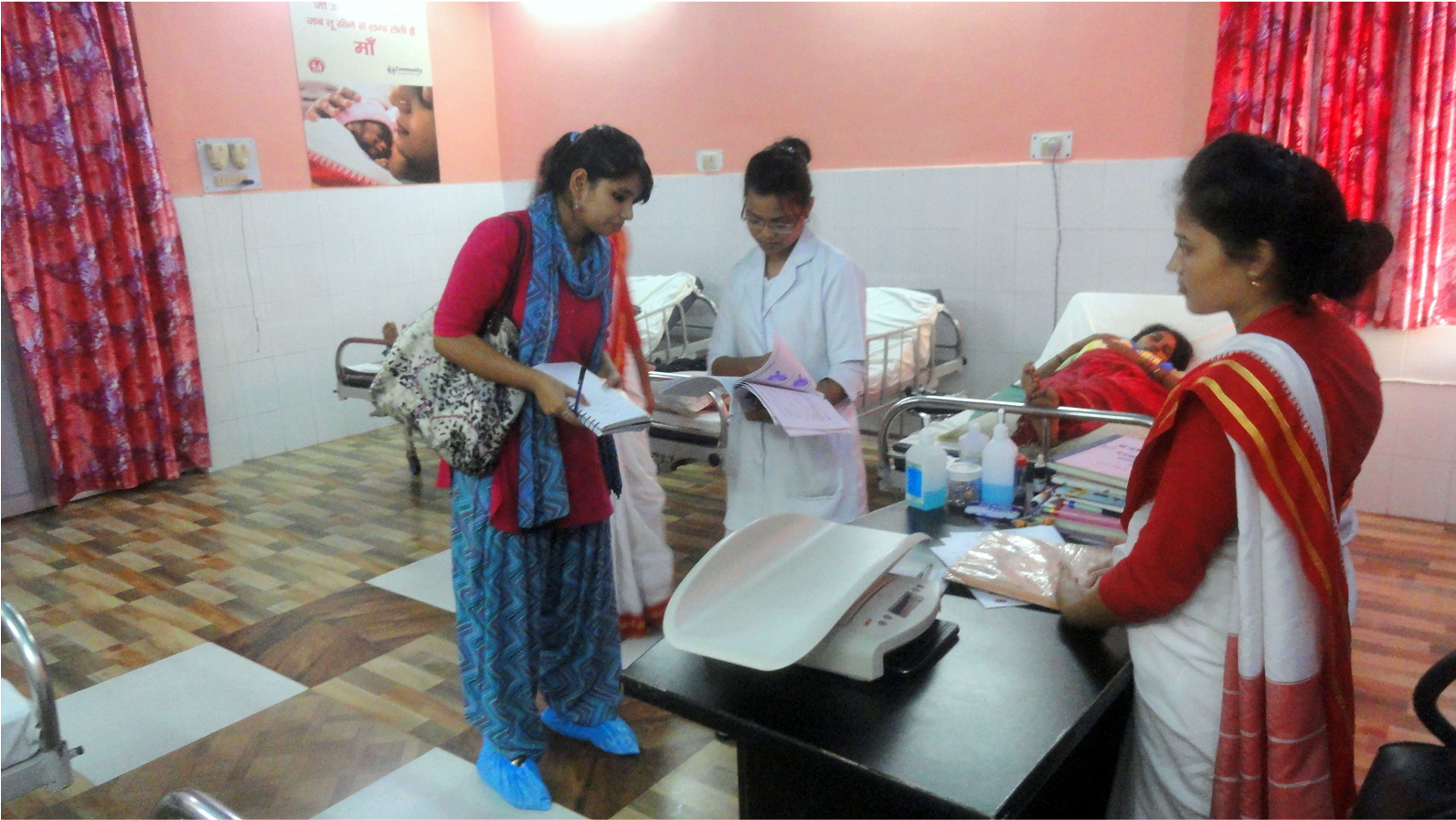
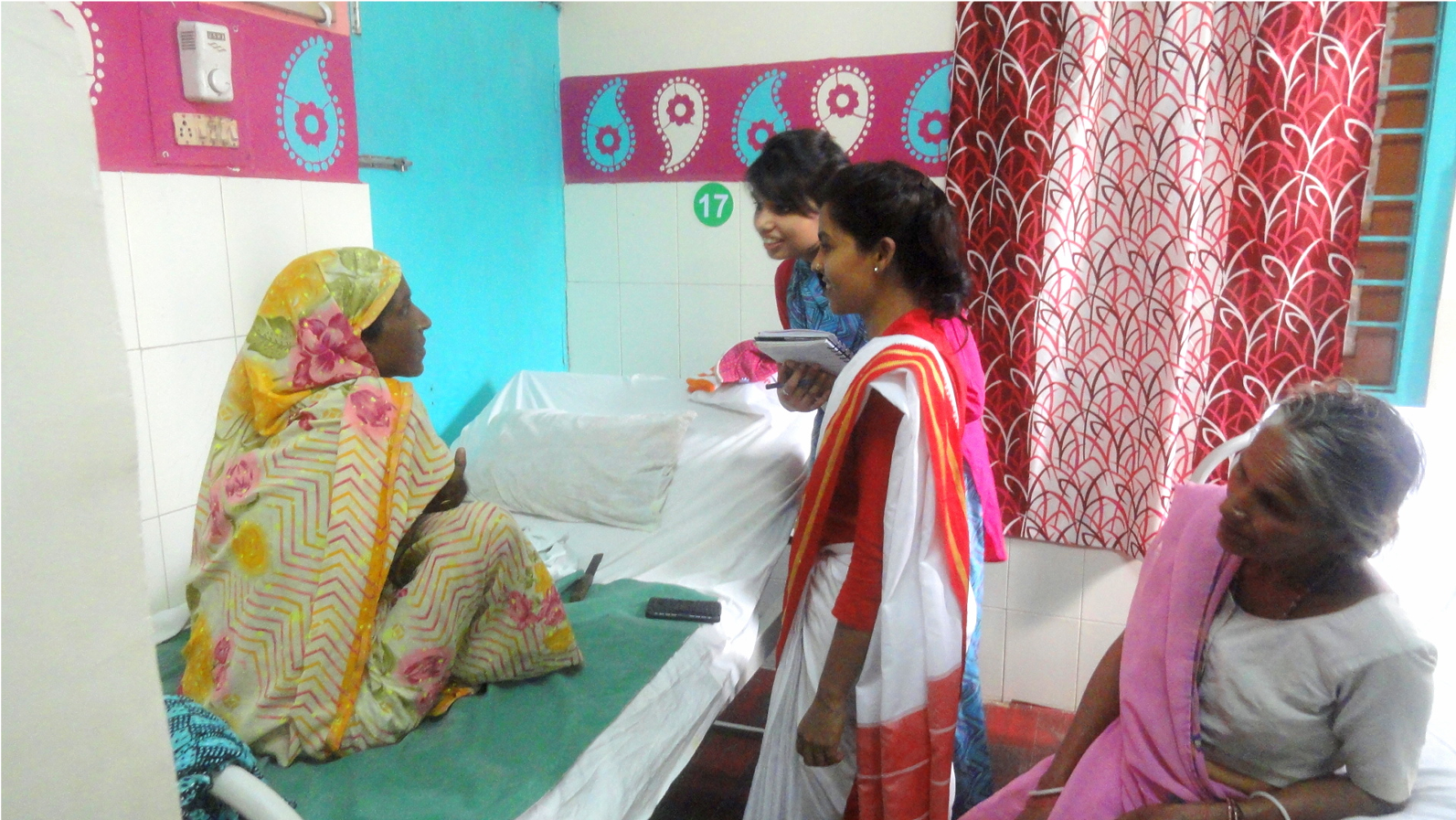
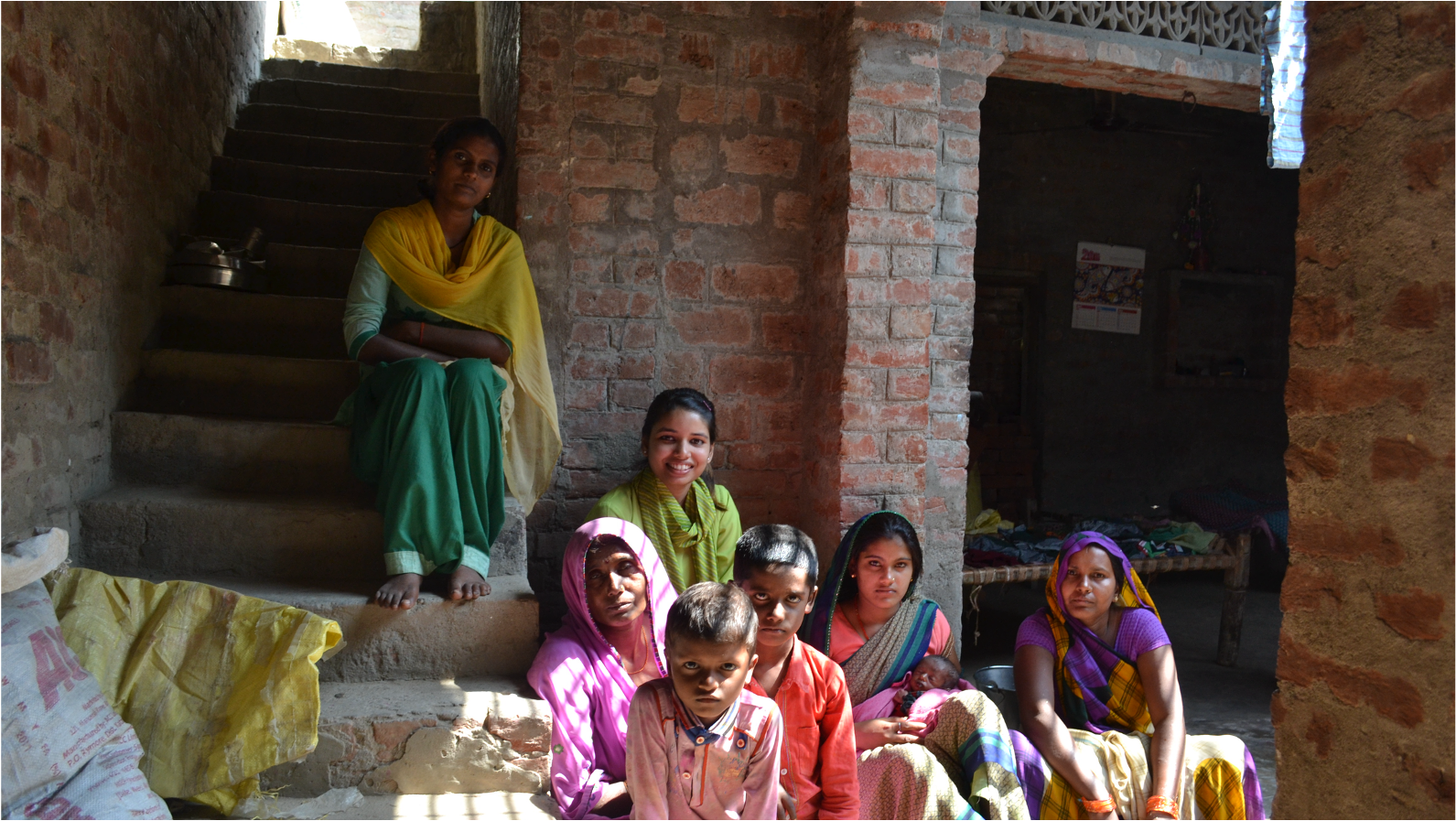
To understand the barriers to Kangaroo Mother Care, I conducted ethnographic research, immersing in the everyday realities of public hospital maternity wards, newborn units and communities across Uttar Pradesh.
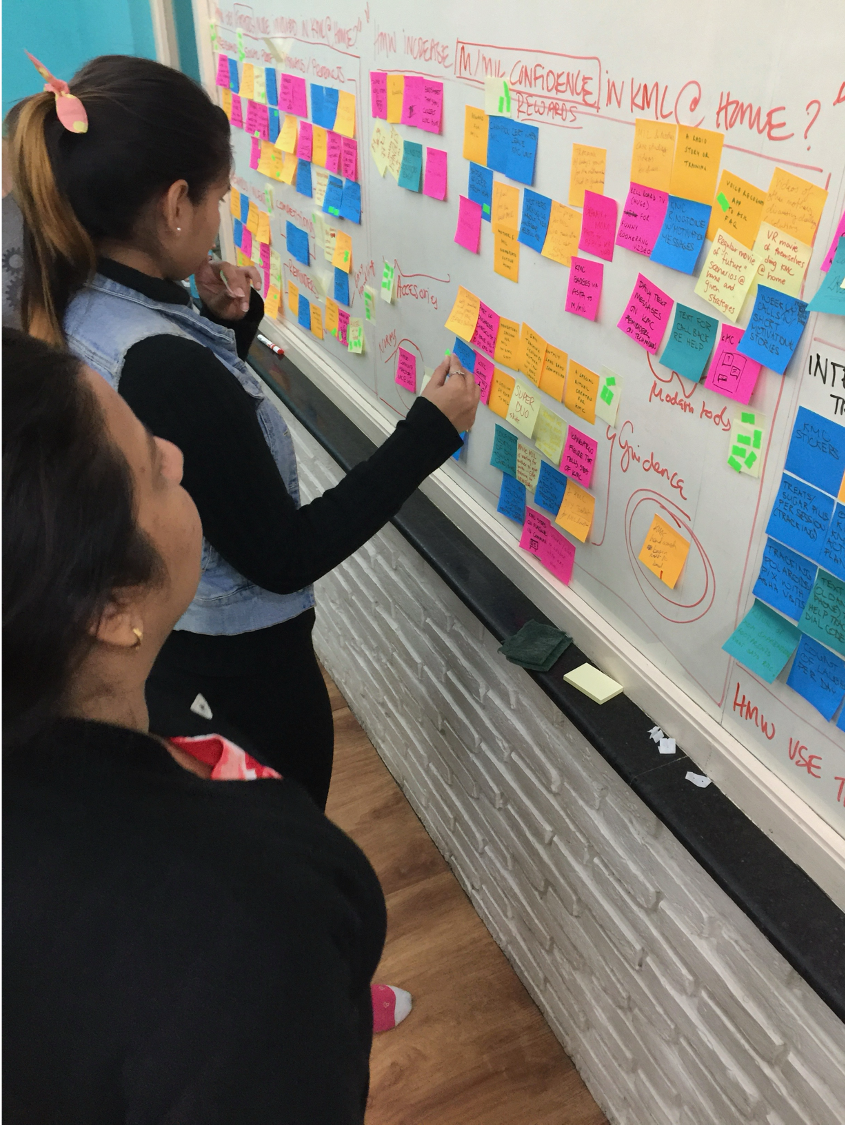
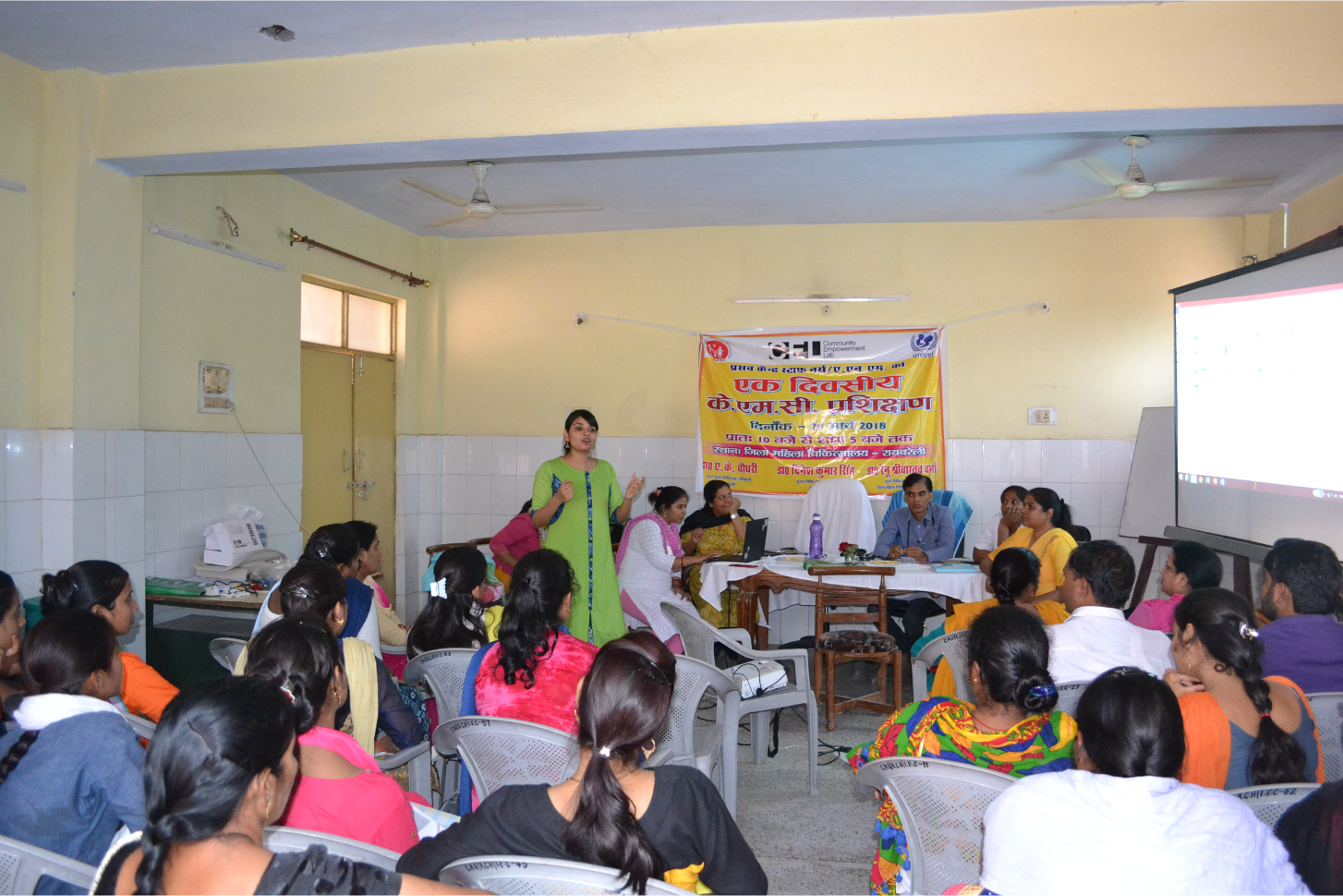
Facilitated exercises to map health journeys, observed clinical workflows, delivered co-design workshops and iterative prototype testing over multiple implementation cycles.
Key stakeholders: Consultants (Neonatal and Paediatrics), NICU Nurses, KMC providers (mothers and caregivers), community health workers (ASHAs and ANMs), hospital administrators and governance KOLs (State and District Health officials).
Methods
- Fly-on-the-wall observations
- Contextual inquiry
- Semi-structured interviews
- Health journey mapping
- Affinity clustering
- Co-design
- Service Blueprints
- Rapid Prototyping
- Usability Testing
- Implementation Learning Cycles
- Behaviour Change Mapping (Behavioural deviances + COM-B model)
Insights
Five things we learned.
01
The biggest barrier wasn't awareness — it was the environment.
02
Nurses wanted to provide better care, but workflows made it difficult.
03
Families needed emotional support as much as clinical instruction.
04
Documentation should actively guide care, not simply record it.
05
KMC is not one intervention. It is an interconnected service ecosystem.
Design question
How might we redesign Kangaroo Mother Care as a connected care ecosystem that supports mothers, providers and newborns across the full continuum of care
Developed interventions
Three moves, one ecosystem.
Intervention One
Designing the Kangaroo Lounge
01
Purpose
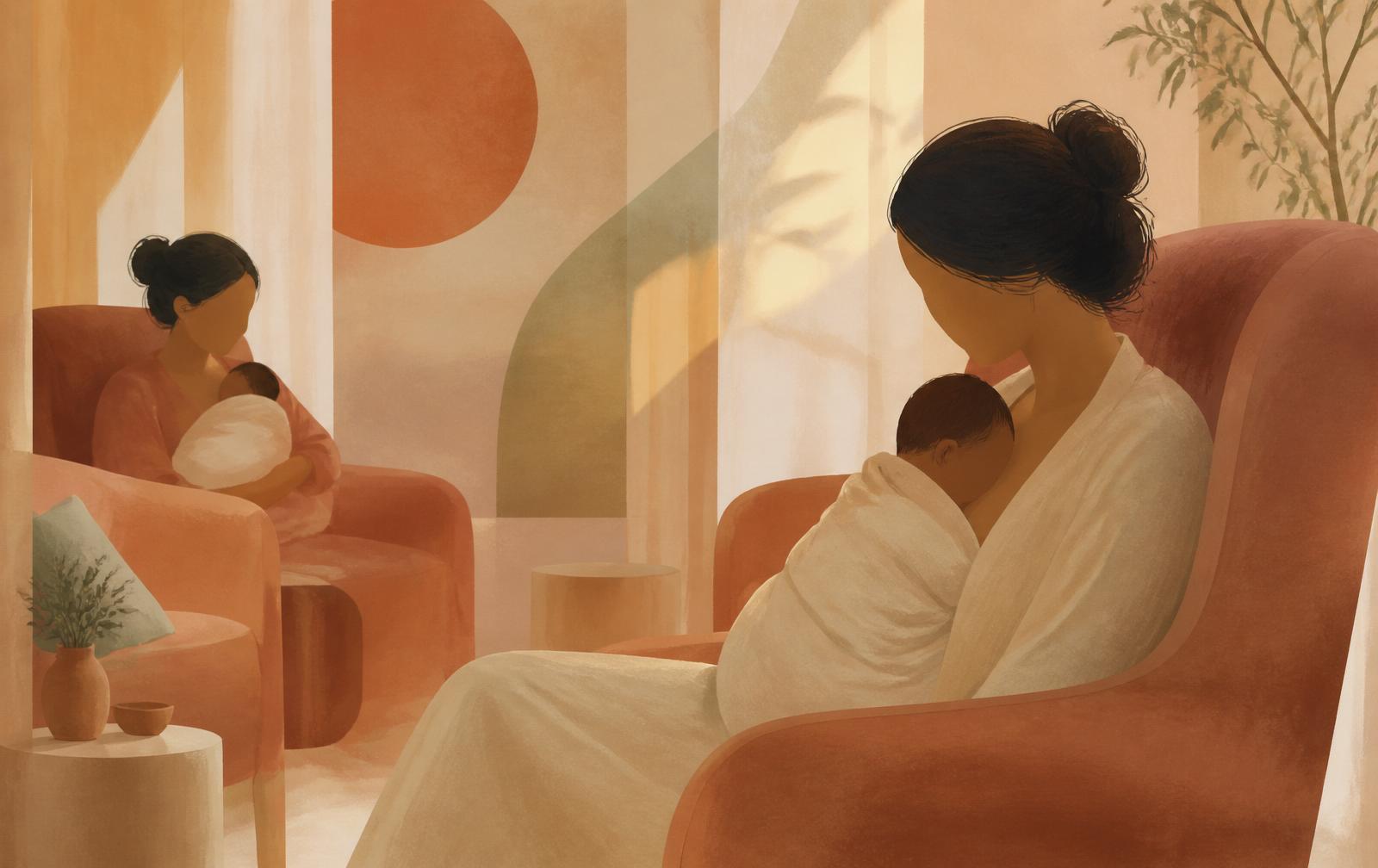
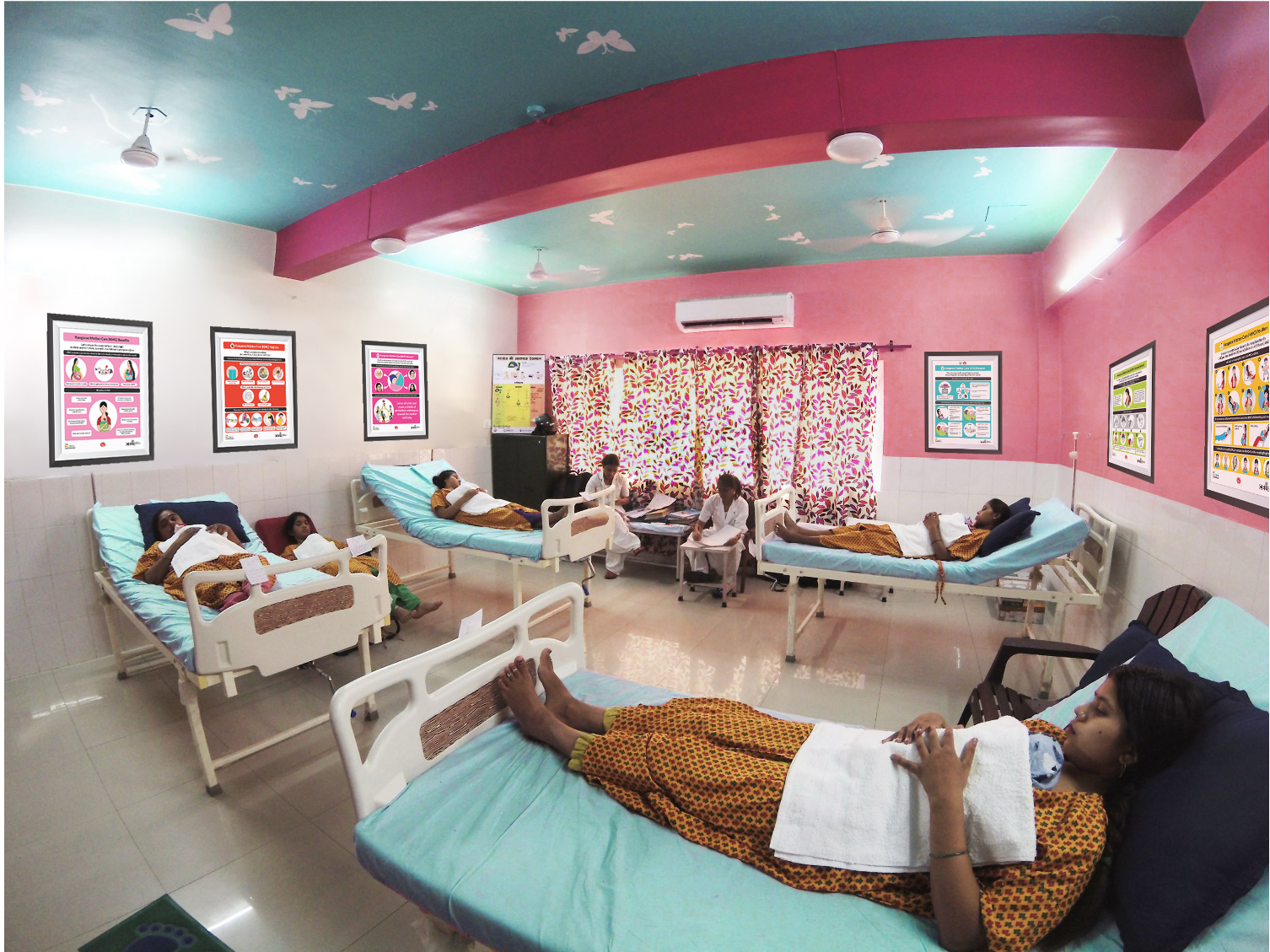
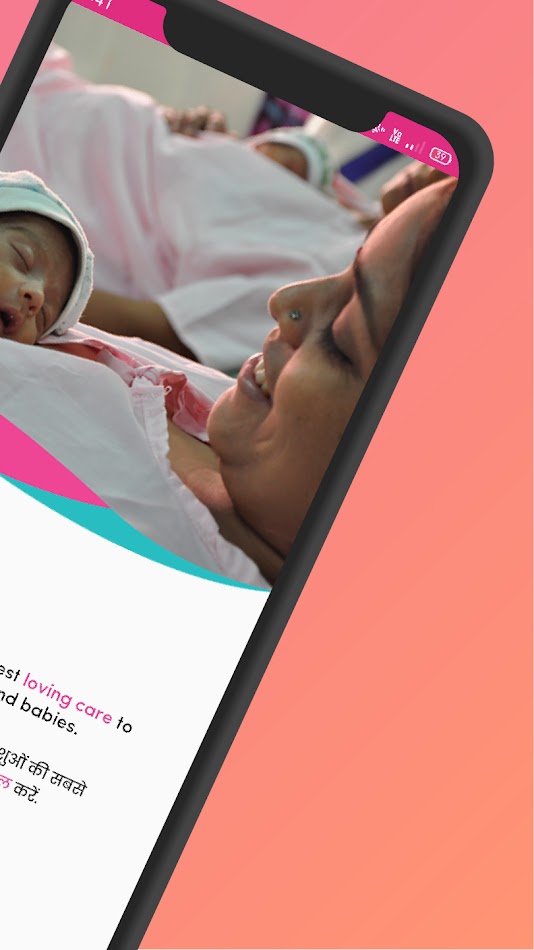
Create a calm, dignified environment where mothers could comfortably provide prolonged Kangaroo Mother Care while receiving clinical support.
Impact
The lounge became the physical anchor of the entire service model — improving acceptability of longer hospital stays, encouraging respectful care behaviours and visibly signalling the system's commitment to mother-centred neonatal care.
My role
- —Led service and spatial experience design
- —Conducted contextual research and workflow observations
- —Co-designed patient journeys with clinicians and mothers
- —Developed service concepts and implementation recommendations
- —Facilitated iterative testing and refinement
Intervention Two
Reframing Kangaroo Care through Behaviour Change
02
Purpose
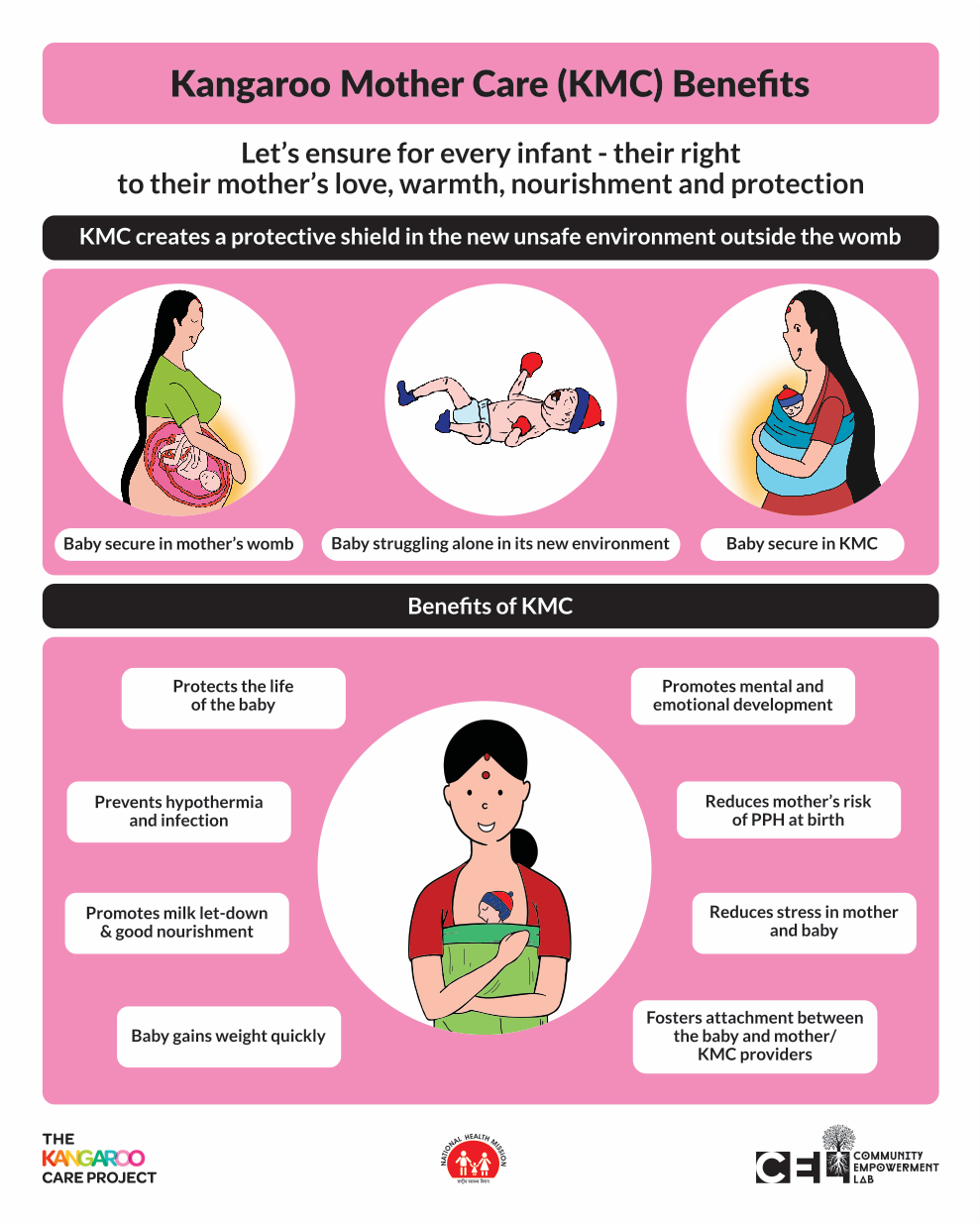
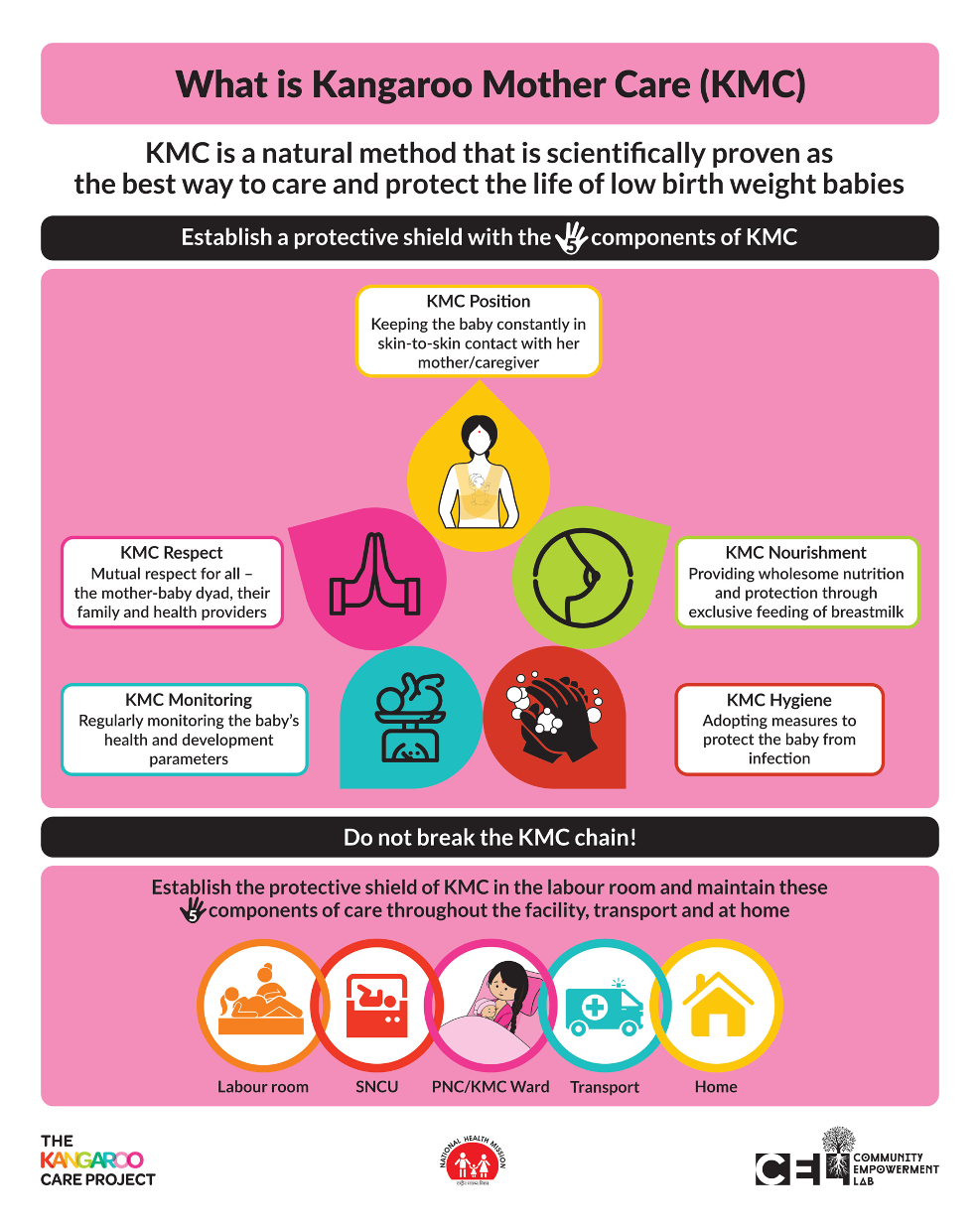
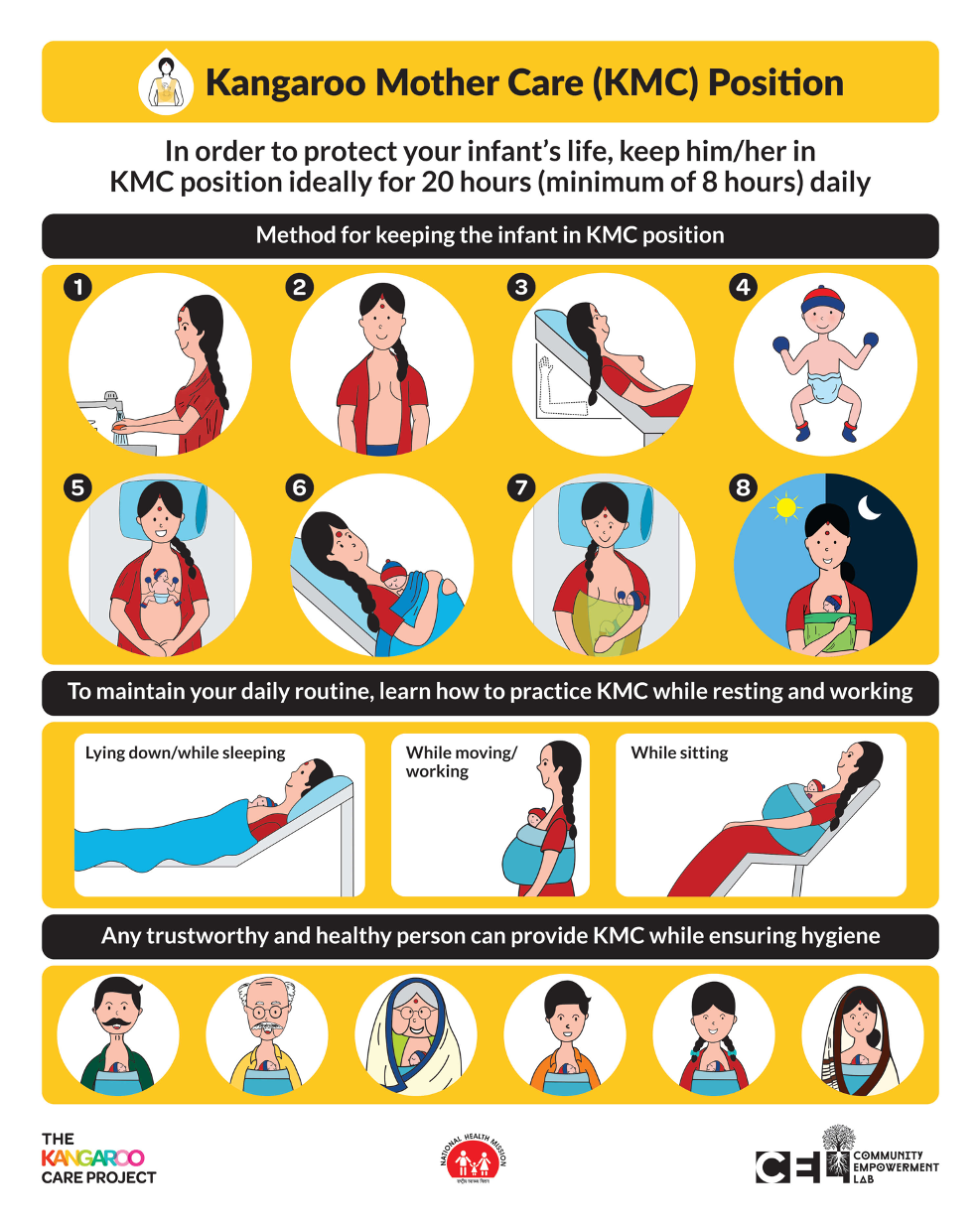
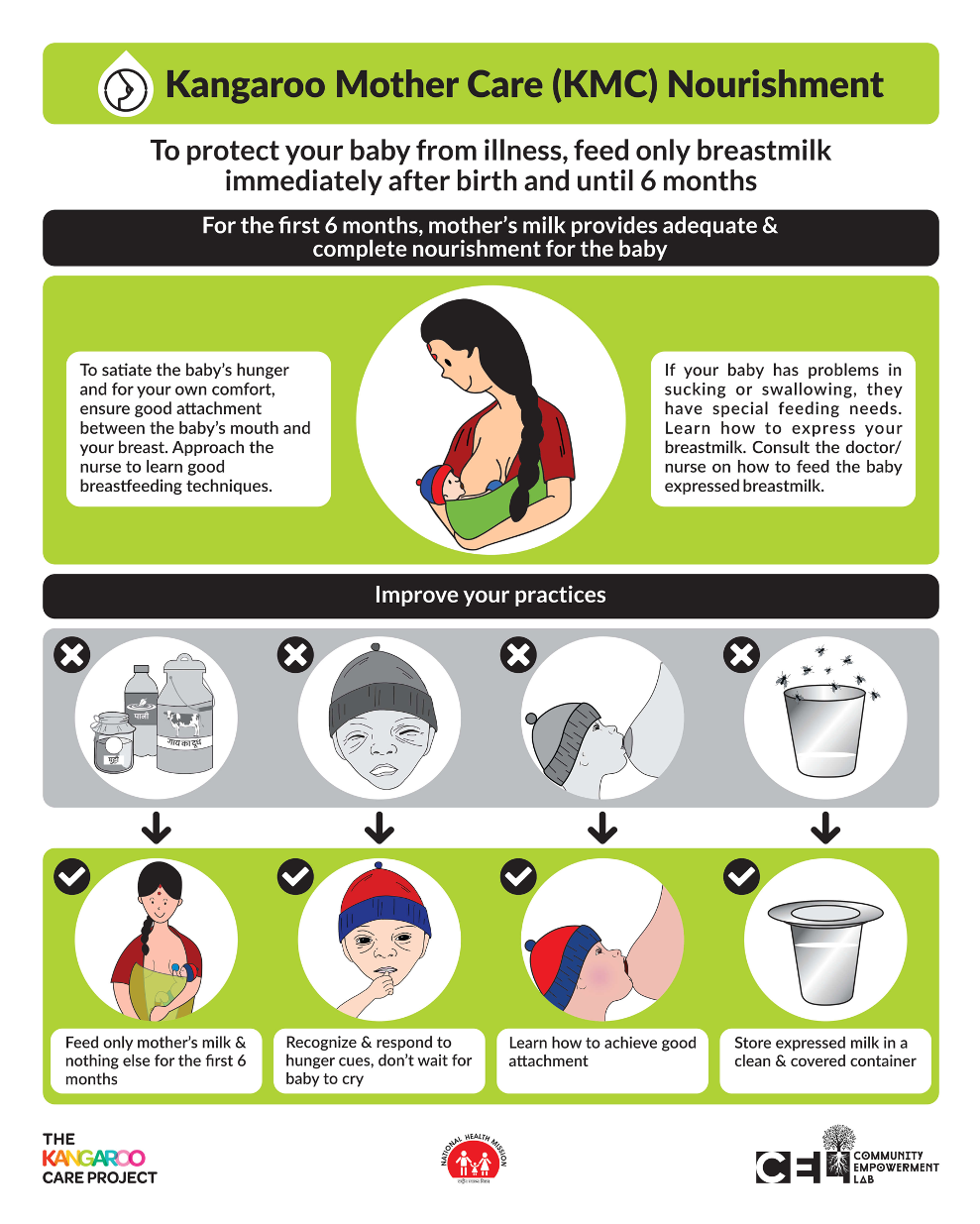
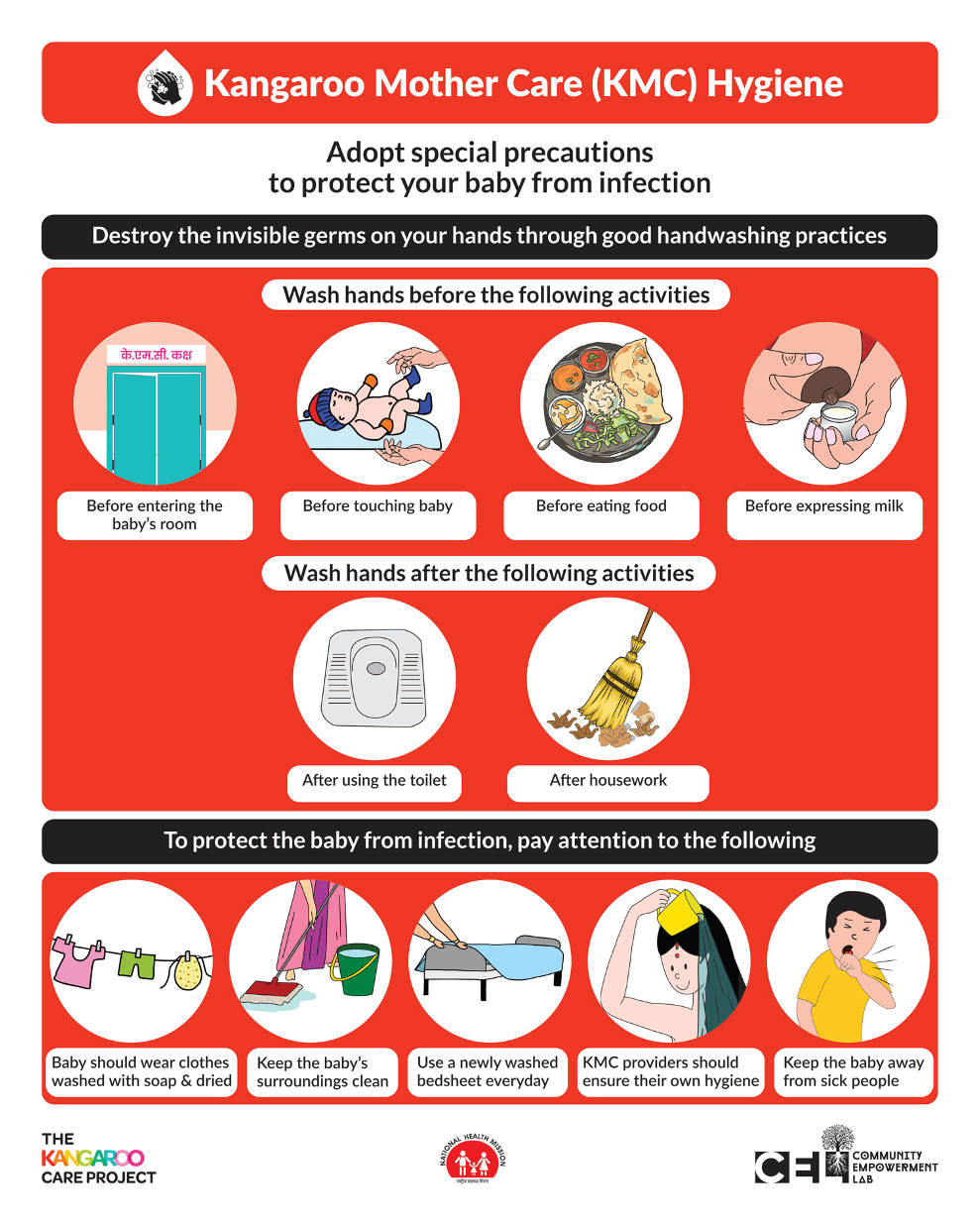
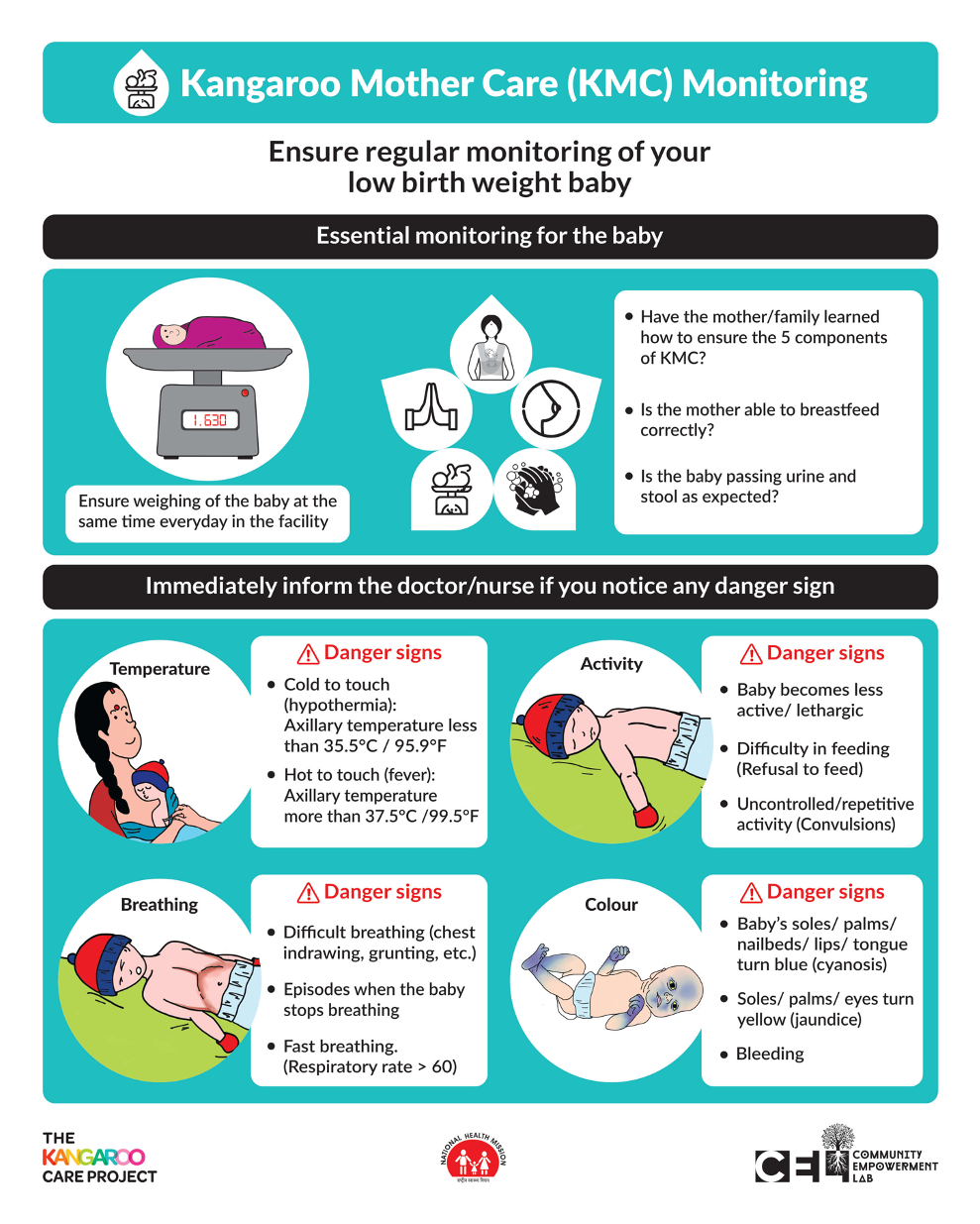
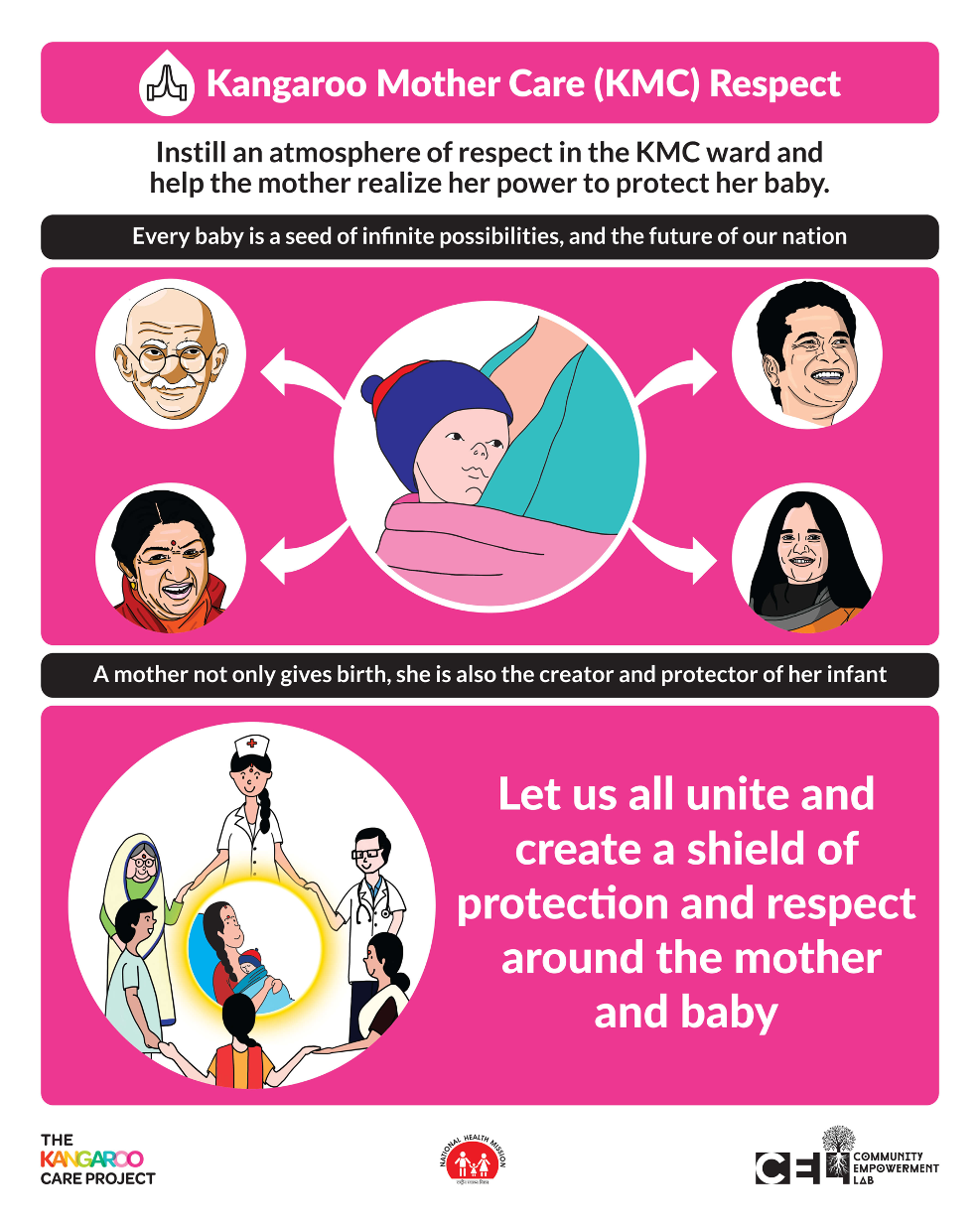
Transform KMC from a single clinical task into a memorable, actionable care journey. We reframed it as the KMC Chain — a five-component model encompassing Position, Nutrition, Hygiene, Monitoring and Respect — so providers and families understand KMC as coordinated behaviours across the care journey.
Impact
The KMC Chain strengthened consistency of clinical counselling, informed national communication materials and helped embed a shared mental model of quality Kangaroo Care across facilities.
My role
- —Led content strategy and information architecture
- —Designed educational materials and behaviour change resources
- —Directed visual communication and illustration guidance
- —Facilitated co-design workshops and prototype testing
- —Refined messaging through iterative field feedback
Intervention Three
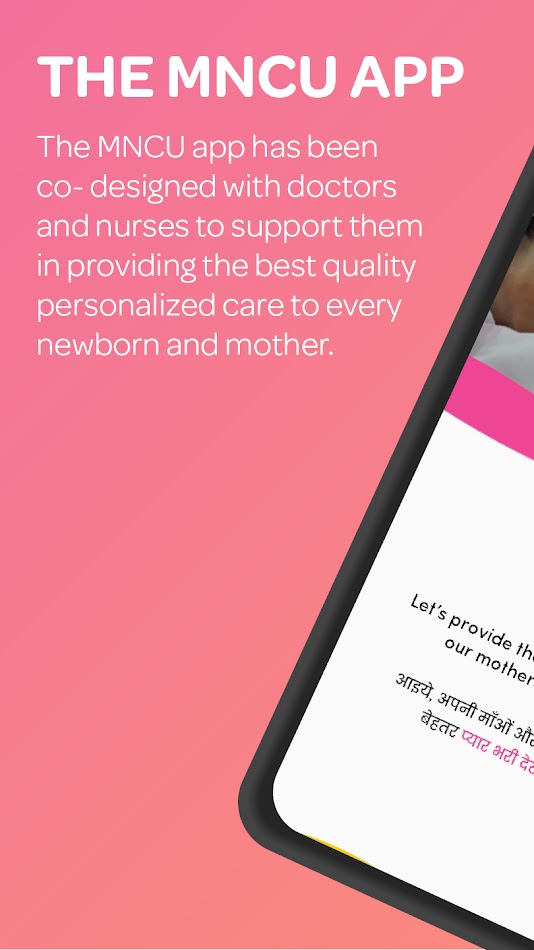
Designing the MNCU/KMC App
03
Purpose
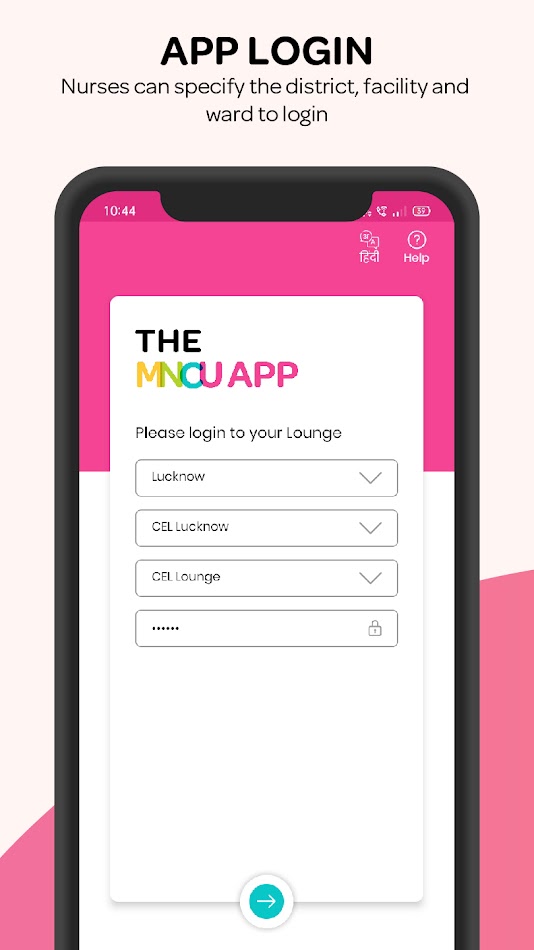
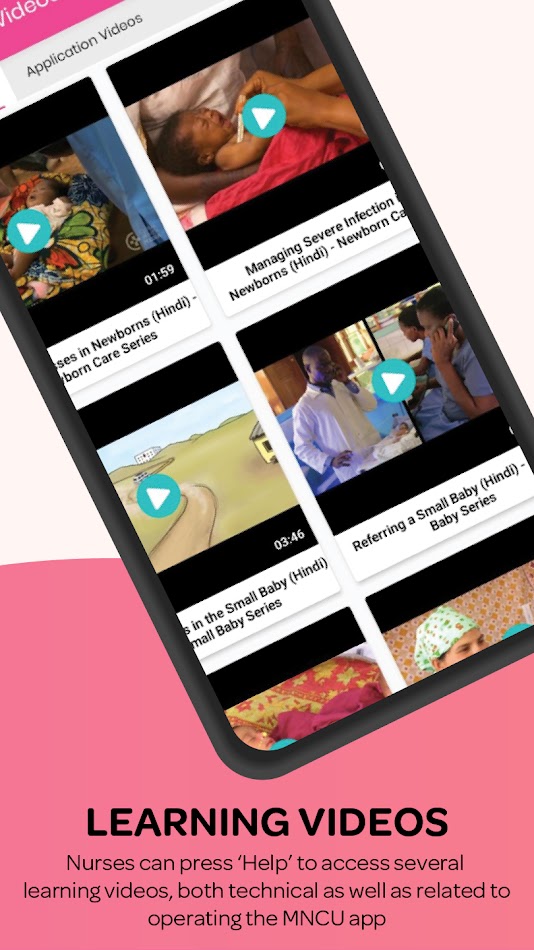
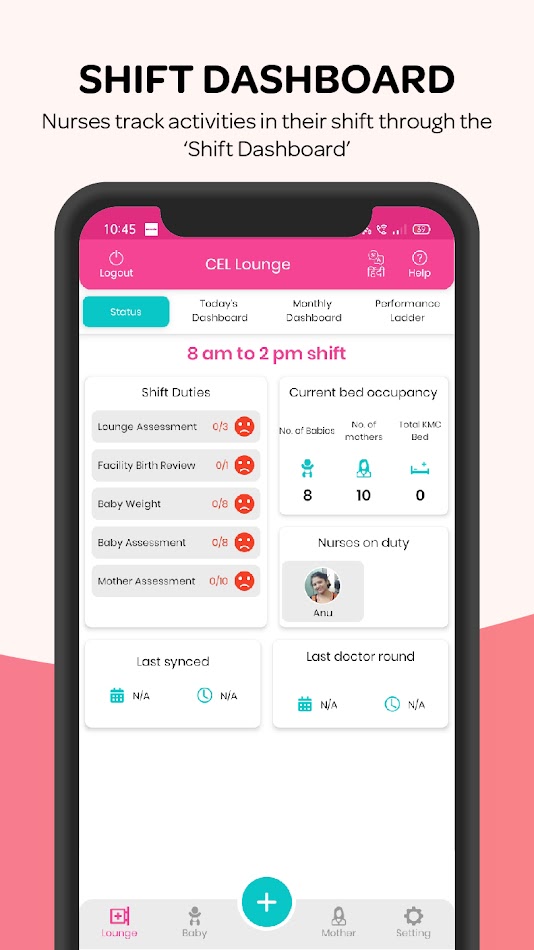
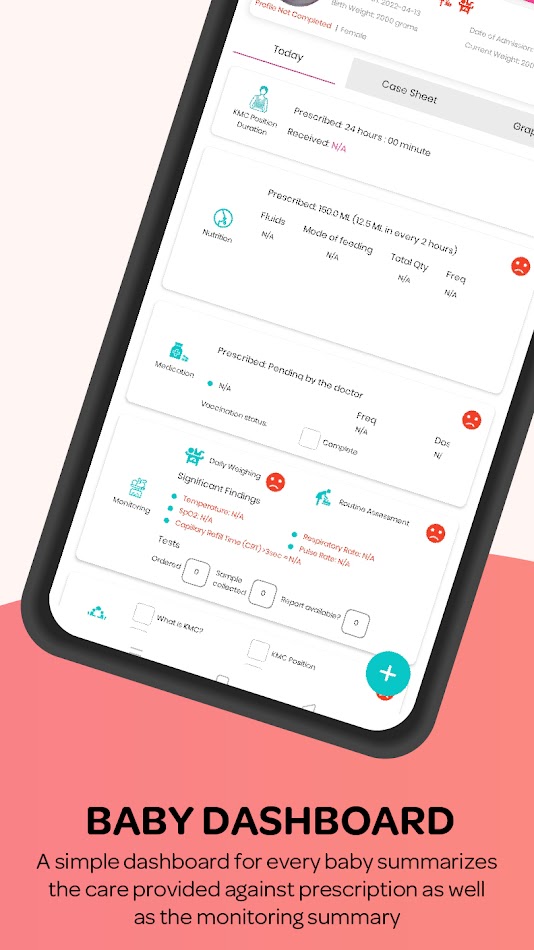
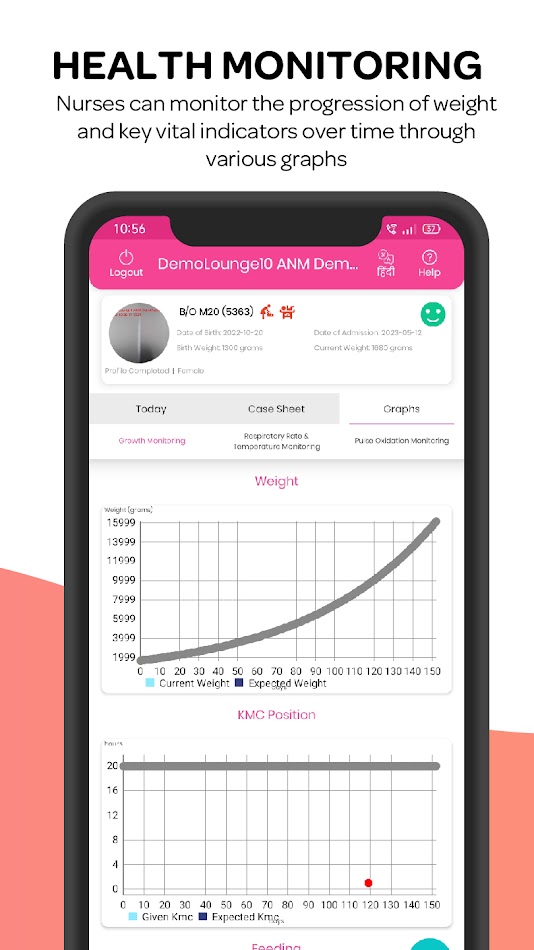
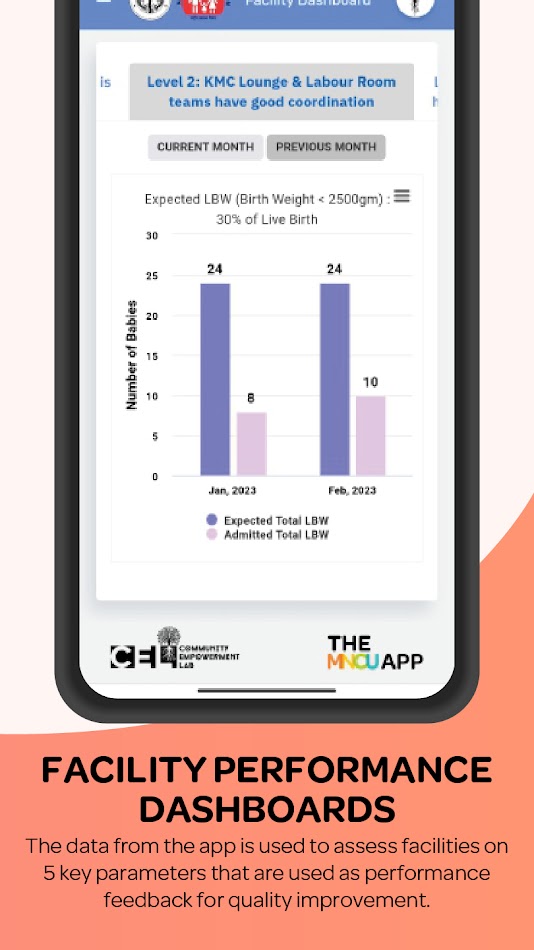
Replace fragmented paper-based workflows with a digital platform that supports frontline nurses in delivering safe, protocol-driven neonatal care — streamlining newborn registration, clinical monitoring, counselling, referrals and discharge planning through an interface tailored to real nursing workflows.
Impact
The application reduced documentation burden, improved protocol adherence, enhanced visibility of patient progress and strengthened communication across multidisciplinary care teams.
My role
- —Led end-to-end UX and interaction design
- —Conducted workflow analysis and usability testing
- —Designed user journeys, wireframes and interface concepts
- —Collaborated with software engineers and clinicians through iterative design reviews
- —Supported implementation, rollout and continuous improvement
Impact
Scaling healthcare innovation means reimagining the ecosystem around it.
170+
KMC Lounges scaled across 75 districts of Uttar Pradesh.
93.3%
Near-universal initiation of KMC for eligible newborns in the study.
~40%
Neonatal mortality reduction attributable to KMC when implemented well.
National
Recognised as a Best Practice by the National Health Mission.
- ◆Expansion of more than 170 KMC Lounges across Uttar Pradesh, India.
- ◆A scalable implementation model adopted across multiple districts.
- ◆Strengthened collaboration between clinicians, nurses, community health workers and government stakeholders.
- ◆Integration of human-centred design into public health implementation and continuous quality improvement.
Reflection
A lesson that shaped my practice.
The real design challenge wasn't creating better artefacts...it was creating the conditions for behaviour change at scale.
The most impactful interventions were not individual products, but the connections between physical spaces, digital tools, clinical workflows, communication resources and people. Designing these elements as one coordinated service ecosystem allowed us to support more consistent, respectful and sustainable care for mothers and newborns across the health system.